
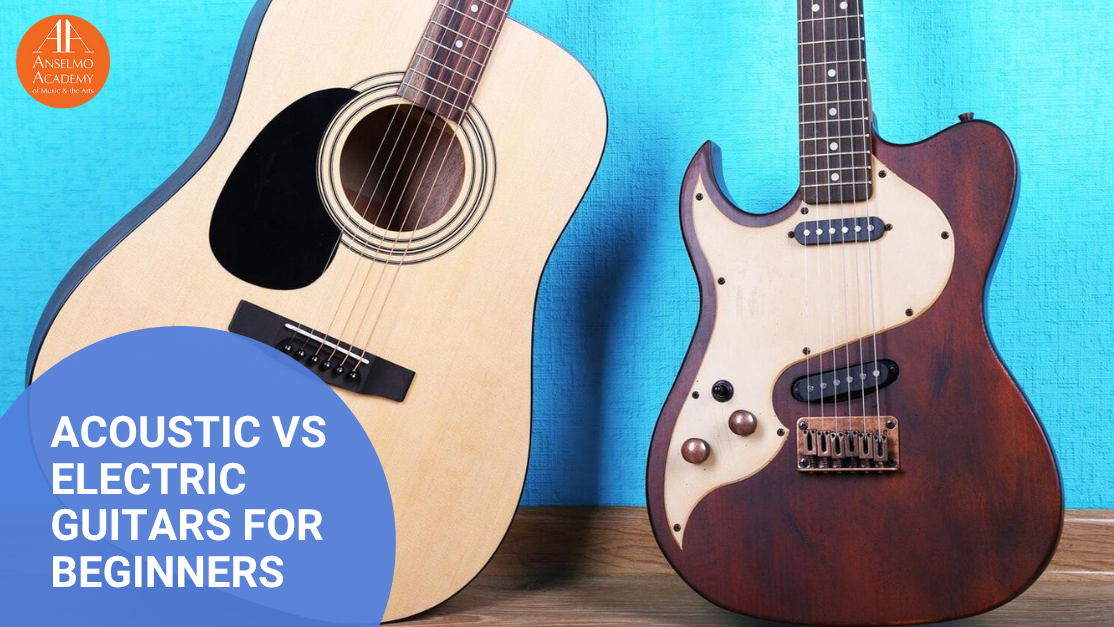
If you’ve decided to start learning the guitar, you’re probably facing the classic question: Should you start with an acoustic guitar or an electric guitar? It’s a small choice that can shape your early learning experience, comfort, and even motivation. Each guitar creates music in its own way and offers unique advantages for beginners.
In this guide, we’ll walk you through how acoustic and electric guitars differ from their sound and feel, to the kind of player each suits best. You’ll also find insights on which styles each one suits best and answers to the most common beginner questions.
Electric Vs Acoustic Guitar Features Comparison
Here’s a quick breakdown of how they differ in structure, sound, and playability:
| Feature | Acoustic Guitar | Electric Guitar |
| Sound Production | Natural sound produced by string vibrations resonating through the hollow body. | Sound is produced electronically via pickups that convert string vibrations into electrical signals, which are then sent to an amplifier. |
| Amplification | Requires no external amplification, though some have a built-in pickup (acoustic-electric). | Requires an amplifier and cables to be heard at a volume. |
| Body | Typically, a hollow, wooden body is designed to project sound naturally. | Often a solid, semi-hollow, or hollow body with electronics. |
| Strings | Can have steel or nylon strings; often heavier and require more pressure to fret. | Thinner strings that are easier to press down and manipulate (e.g., bending). |
| Neck & Action | Thicker neck and generally higher action (strings are farther from the fretboard). | Thinner neck and lower action, which can be easier for beginners. |
| Portability | Larger and bulkier, but complete and portable on its own. | Smaller body but requires carrying an amplifier, cables, and pedals, making the complete setup less portable. |
| Tonal Variety | Limited tonal variation; it depends on the guitar and strings. | Extensive tonal variety through the use of amplifiers, effects pedals, and tone controls. |
| Ease of Play | Can be harder for beginners due to the thicker neck and heavier strings. | Generally considered easier to play for beginners because of thinner strings and lower action. |
| Practice | Louder and cannot easily be played quietly or with headphones. | Can be played quietly with headphones or with the volume turned down. |
Acoustic vs Electric Guitars: Choosing the Right Guitar for Beginners
The debate between acoustic vs electric guitar has been around for decades. Some teachers insist beginners should start with acoustic models because they help build technique and finger strength. Others recommend electric guitars for their comfort and lighter string tension.
Both perspectives are valid. If you love raw, unplugged tones, an acoustic will likely feel right. If you prefer versatility and experimenting with effects, an electric might suit your personality better. Many beginners wonder about the best ways to learn to play guitar, but the truth is, progress depends on curiosity as much as technique.
Understanding Acoustic and Electric Guitars
Key Similarities Between Acoustic and Electric Guitars
Despite their design differences, both the acoustic guitar and electric guitar share the same core fundamentals. They use similar tuning systems, chord structures, and playing techniques. Learning on either instrument builds transferable skills that make switching later quite simple.
Whether you learn one-on-one or both, the foundation of rhythm, melody, and timing remains the same.
Major Differences Between Acoustic and Electric Guitars
The real distinction lies in sound and feel. The acoustic produces a natural, resonant tone using its hollow wooden body. The electric, by contrast, relies on pickups and amplification.
While electric guitar and acoustic guitar are built differently, both support a beginner’s learning journey in unique ways. Acoustic guitars emphasize clarity and raw tone, while electric guitars allow sound customization and experimentation through amplifiers.
Electric vs Acoustic Guitar: Music Styles Best Suited for Each Guitar Type
Each type naturally fits certain music styles better than others.
- Acoustic guitars are ideal for folk, country, blues, and soft pop. They blend beautifully with vocals and are great for rhythm playing.
- Electric guitars thrive in rock, metal, jazz, and blues genres. They give access to expressive solos and dynamic tones.
In truth, many musicians learn both. You don’t have to choose one for life; just pick the one that inspires you to start playing.
Acoustic Guitar: Advantages and Limitations
Benefits of Acoustic Guitars
No Amplifier Needed to Play
An acoustic guitar doesn’t need extra equipment. Pick it up, and it’s ready to play. This independence encourages consistency in practice.
Easier to Fingerpick and Strum
The tone of an acoustic responds directly to your touch. Fingerpicking and strumming teach beginners how dynamics affect sound.
Convenient for Practice Anywhere
No cables or power are required. You can practice anywhere: in your room, on a park bench, or while traveling.
Flexibility with Alternate Tunings
You can easily experiment with alternate tunings on an acoustic guitar, opening up new chord shapes and textures.
Compatible with a Capo
A capo can easily shift keys, helping beginners play along with songs without retuning.
Supports Sliding and Other Techniques
It helps build control and precision in hand movement, improving long-term dexterity.
Generally More Affordable
A good-quality beginner acoustic guitar costs less than most electric setups that require amps and cables.
Limitations of Acoustic Guitars
Limited Sound Variety
An acoustic’s tone range depends heavily on body type and string quality. You won’t find the same sonic flexibility as an electric setup.
Less Bass for Heavier Songs
If you enjoy strong bass tones or heavier music, the acoustic may feel limited in depth and sustain.
Strings May Be Hard on Fingers
The higher tension and thicker strings can be challenging at first, but they strengthen your fingers over time.
Electric Guitar: Advantages and Limitations
Benefits of Electric Guitars
Volume and Tone Can Be Controlled Easily
Electric guitars offer full control over sound. You can play quietly through headphones or turn up the amp when you want to perform.
Comfortable Body Shape for Learning
Most electric guitars have slimmer necks and contoured bodies that sit comfortably against you.
Stylish Designs and Aesthetic Options
Whether you’re into sleek modern looks or classic retro styles, there’s an electric guitar that’ll make you want to pick it up every day.
Multiple Models and Variants Available
The electric guitar and acoustic guitar differ in diversity. Electrics are available in models suited for every music genre, from jazz to metal.
Ideal for Playing Solos and Lead Parts
The lower action and lighter strings make techniques like bends, slides, and vibrato easier for lead playing.
Limitations of Electric Guitars
Typically More Expensive
A complete electric setup includes the guitar, amplifier, and accessories, increasing initial costs.
Beginner Tuning Can Be Tricky
Understanding how amp settings, tone knobs, and effects work takes time, but becomes second nature with practice.
Heavier Body Can Affect Comfort
Some models, especially those with solid wood bodies, can feel heavy during long sessions.
Acoustic vs Electric: Which Guitar Should You Start With?
So, which is better: acoustic vs electric guitar for a beginner?
If you want simplicity and portability, start with acoustic. It teaches control and develops strength without relying on equipment. But if you value comfort, lower string tension, and tonal variety, the electric is a great option.
Ultimately, the choice depends on what keeps you inspired. The electric guitar vs acoustic debate matters less than finding the instrument you enjoy holding every day. Don’t worry about choosing the ‘better’ guitar; just pick the one that makes you excited to play. Ultimately, both open doors to creativity and self-expression.
If you ever find yourself drawn toward deeper tones, you might even explore acoustic vs electric bass guitar later on. And don’t worry if you’re left-handed, manufacturers now offer models for both left vs right handed guitar players, ensuring equal comfort.
Ready to Begin?
At Anselmo Academy, learning guitar is more than just practice; it’s a guided journey through creativity and confidence. Whether you choose acoustic or electric, our expert instructors offer personalized guitar lessons in NYC and online. We’ll help you discover the best ways to learn to play guitar at your own pace and comfort.
Call (212) 665-9051 today and begin your musical journey with Anselmo Academy.
FAQs About Electric Guitar and Acoustic Guitar
Is an electric guitar easier than an acoustic?
Yes, in terms of playability. The lighter string gauge and adjustable setup make it easier to press frets cleanly. Mastering amp settings and tone adjustments takes patience. Once you’re comfortable, you’ll enjoy the expressive freedom electrics provide.
Should I get an electric or acoustic guitar?
It depends on your music goals. If you love rock, blues, or pop solos, go for an electric guitar. If you prefer mellow tunes and singing along, acoustic fits better. Try both if possible: your hands and ears will quickly tell you which feels right.
What is the difference between an electric guitar and an acoustic guitar?
The electric guitar and acoustic guitar differ mainly in how they produce sound. The acoustic uses its hollow body to project vibration naturally, while the electric converts vibrations into electrical signals that require amplification. This affects tone, volume control, and playing experience.
What is the difference between an acoustic and acoustic-electric guitar?
An acoustic-electric guitar includes built-in pickups that allow amplification when needed. You can play it unplugged like a normal acoustic or connect it to an amp for larger performances. This hybrid design is great for students who plan to perform later.