A quiet, insistent question lingers with many people for years: “Did I miss my chance to learn to sing?” Perhaps music seemed far away in childhood. Perhaps the school choirs were for other people, or perhaps life just took a different turn. And then, as the years of adulthood pass, a song heard on the radio can bring the question back to mind.
Can I really learn this?
Many adults hold back before attempting to learn. They simply assume singing is something for people who began young or for those with an extraordinary gift. Yet that assumption rarely holds up once someone steps into a vocal lesson and begins working with their voice.
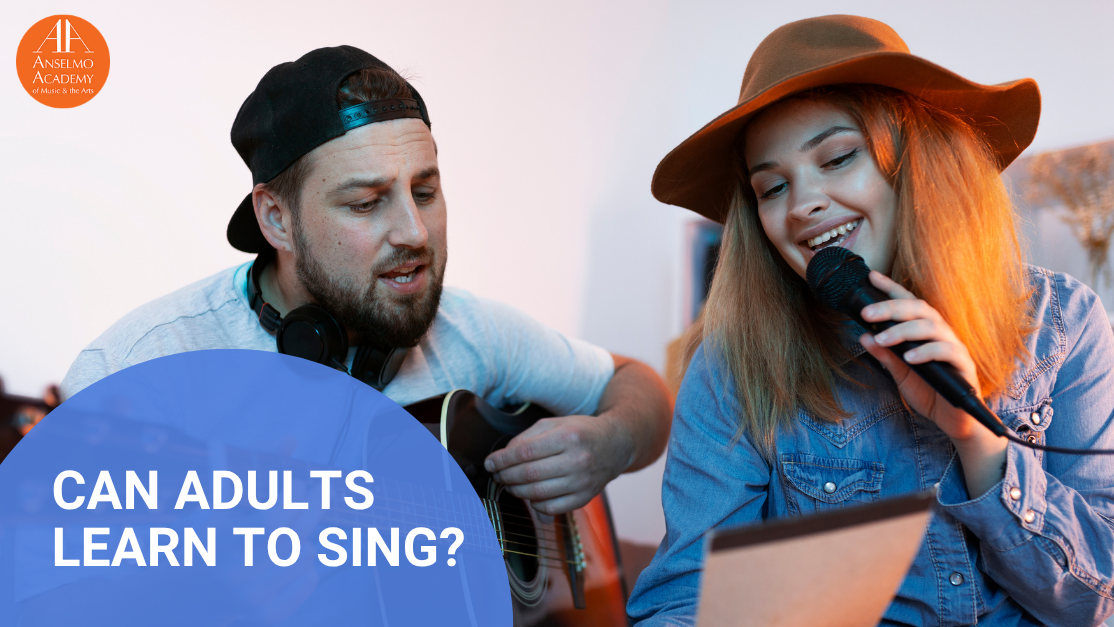
But can adults really learn to sing? The answer is simple: Yes. The longer answer is much more fascinating.
This article examines why adults can learn to sing, what happens during lessons, the timeline most beginners experience, and the challenges people face along the way.
Is It Too Late for Adults to Learn Singing?
The idea that singing must start in childhood lingers in many people’s minds. A person reaches their thirties, forties, or even sixties and quietly assumes the opportunity has passed.
Yet voices do not follow that rule.
Unlike certain physical disciplines that demand early training, the singing voice develops through awareness, breath control, listening skills, and technique. These are abilities adults can build with surprising efficiency. A voice teacher will often mention something interesting: adults sometimes progress faster than younger students because they understand instructions more clearly.
So when someone asks, “Can adults learn to sing?”, the honest response usually begins with a small shift in perspective. Learning does not stop at a particular birthday.
It simply begins when someone decides to start.
Why Adults Can Successfully Learn to Sing
Adults bring a few advantages that rarely receive much attention.
Better Focus and Motivation
Children often learn because their parents have enrolled them in classes. Adults usually choose music for themselves. That choice changes the energy in a lesson.
When someone arrives at singing lessons for adults, they tend to listen closely. They ask questions. They practice between sessions because the goal matters personally. That focus often leads to steady progress.
Stronger Discipline
Life experience builds discipline. Work schedules, responsibilities, and commitments shape habits that younger learners are still developing.
Singing practice benefits from this structure. Ten focused minutes of vocal warm-ups each day can gradually reshape tone and pitch control. Adults often approach practice with patience rather than impatience, which serves them well.
Emotional Expression
Music connects strongly with lived experience. Adults carry years of memories, emotions, and stories that naturally shape how they interpret a song.
A technically perfect performance might impress listeners. A performance filled with emotional understanding tends to move them. Adult students frequently discover that their voice communicates something meaningful long before it reaches technical perfection.
Benefits of Taking Singing Lessons as an Adult
People start lessons for many reasons. Some hope to perform one day, while others simply enjoy music and want to feel more comfortable singing along.
The benefits often extend further than expected:
Improved Vocal Technique
Most beginners believe their voice is fixed. In reality, many issues come from tension, breathing habits, or lack of guidance.
Through adult vocal lessons, students learn how breathing supports sound, how posture affects tone, and how vocal placement changes resonance. Small adjustments produce noticeable improvement.
A note that once felt impossible gradually becomes reachable.
Increased Confidence
Confidence grows quietly. One lesson passes, then another.
A student begins singing a little louder, the pitch becomes steadier, and recording their voice no longer feels uncomfortable. Over time, that change reaches beyond the lesson itself, and some students even say they start speaking with more confidence after strengthening their voices.
Stress Relief
Singing uses breath, movement, and attention all at once. That combination tends to settle the nervous system.
Many adults walk into class after a long workday carrying tension. Ten minutes later, their shoulders drop, breathing slows, and the atmosphere changes. Singing becomes a kind of reset.
Creative Expression
Creativity often fades into the background once adulthood becomes busy. Music brings it back.
Students experiment with phrasing, interpretation, and musical style. Some eventually explore instruments too. A person who begins with voice may find curiosity leading toward guitar for beginner adults, opening another creative door.
What Adults Learn in Vocal Lessons
The first lesson often catches people off guard. Instead of jumping straight into full songs, instructors start with the foundations of voice training, guiding students through breathing techniques that support a steady, controlled sound.
Warm-ups follow, gradually opening the vocal range while keeping the voice relaxed rather than strained. Pitch exercises help train the ear along the way. Many beginners assume they are tone-deaf, though the issue usually comes from unfamiliar listening habits, and careful repetition begins to sharpen accuracy.
During adult vocal lessons, instructors also pay close attention to articulation, phrasing, and vocal health, encouraging habits such as proper hydration, regular warm-ups, and gentle technique to help the voice develop without strain. As these basics begin to settle into place, songs slowly become part of the process, and students often choose music they genuinely enjoy, which makes practice feel far more engaging.
How Long Does It Take to Learn Singing?
Progress looks different for everyone, as some students move ahead quickly while others take a little more time, balancing work, family, and other responsibilities.
A general timeline helps set expectations.
First 1–3 Months
Early lessons focus on awareness, as students begin noticing how breathing connects to sound and how posture shapes tone, while pitch accuracy slowly improves.
During this stage, many feel a mix of excitement and uncertainty, because they can hear progress even while their voice still feels unfamiliar.
3–6 Months
With steady practice, consistency begins to show results. The vocal range opens a little, and high notes that once felt intimidating become more manageable.
At this stage, many adults begin to answer their own question: can adults learn to sing? The progress becomes difficult to ignore. Songs start to sound smoother, and confidence grows along with them.
6–12 Months
By this stage, the technique begins to settle into muscle memory, and students grow comfortable warming up on their own while learning to approach new songs with more control.
Opportunities to sing in front of others sometimes appear, even in relaxed settings, and the experience feels far less intimidating than it once did. Around this point, many students begin to realize that the learning process extends well beyond a single year, because the voice continues to develop gradually, much like any artistic skill.
Common Challenges Adults Face When Learning to Sing
Adult beginners share a few common obstacles:
- Self-consciousness: Many adults feel uneasy about hearing their own voice at first. Recording practice sessions can feel awkward, though that reaction usually fades as familiarity grows.
- Unrealistic expectations: Some students expect dramatic improvement after only a few lessons, while voice training tends to reward patience and steady practice rather than speed.
- Time management: Work schedules, family responsibilities, and daily routines compete for attention, so consistent practice, even in short sessions, often makes a noticeable difference.
These obstacles do not stop progress. For most adult learners, they simply become part of the learning path.
Why Take Professional Singing Lessons?
Self-teaching through videos or apps can introduce basic ideas, yet working with a trained instructor offers a different experience.
A teacher listens carefully and notices subtle habits that students rarely detect on their own. Breath tension, drifting pitch, or signs of strain often stand out immediately to experienced ears.
Structured singing lessons for adults also provide steady feedback and a setting where technique can develop gradually, while encouragement helps students navigate moments of frustration that naturally arise while learning any skill.
Most importantly, lessons create a supportive environment where students feel comfortable experimenting with their voice.
Conclusion
The question keeps coming up: can adults learn to sing?
The answer rarely changes. Yes, adults can learn. With guidance, practice, and patience, voices develop at every stage of life.
Music does not belong to one age group. It belongs to anyone willing to explore their voice. A first lesson often begins with uncertainty, yet something interesting happens once the singing starts.
People often realize the voice they have carried for years still holds more possibilities than they expected.
Begin Your Singing Journey with Anselmo Academy of Music and the Arts
Curious after reading this? Many adults begin singing later in life and discover real progress with supportive instruction. At Anselmo Academy of Music and the Arts, we offer welcoming music programs designed for beginners and returning musicians alike. Whether you feel ready for your first note or simply want to explore your voice, experienced instructors are ready to guide you.
Call us today to learn about classes and schedule your first lesson.
FAQs (Frequently Asked Questions)
Is it harder to learn singing as an adult?
Adults may feel self-conscious at first, though their focus and discipline often accelerate progress compared with younger learners.
How long does it take for adults to learn singing?
Most beginners notice clear improvement within several months of regular practice and instruction.
Do you need natural talent to sing?
Natural ability helps, yet technique and consistent training shape the voice far more than raw talent alone.
Are singing lessons worth it for adults?
Many adults discover greater confidence, stronger vocal presence, and greater creative satisfaction through guided instruction.
How often should adults practice singing?
Short daily practice sessions combined with weekly singing lessons for adults usually produce steady progress.